Before
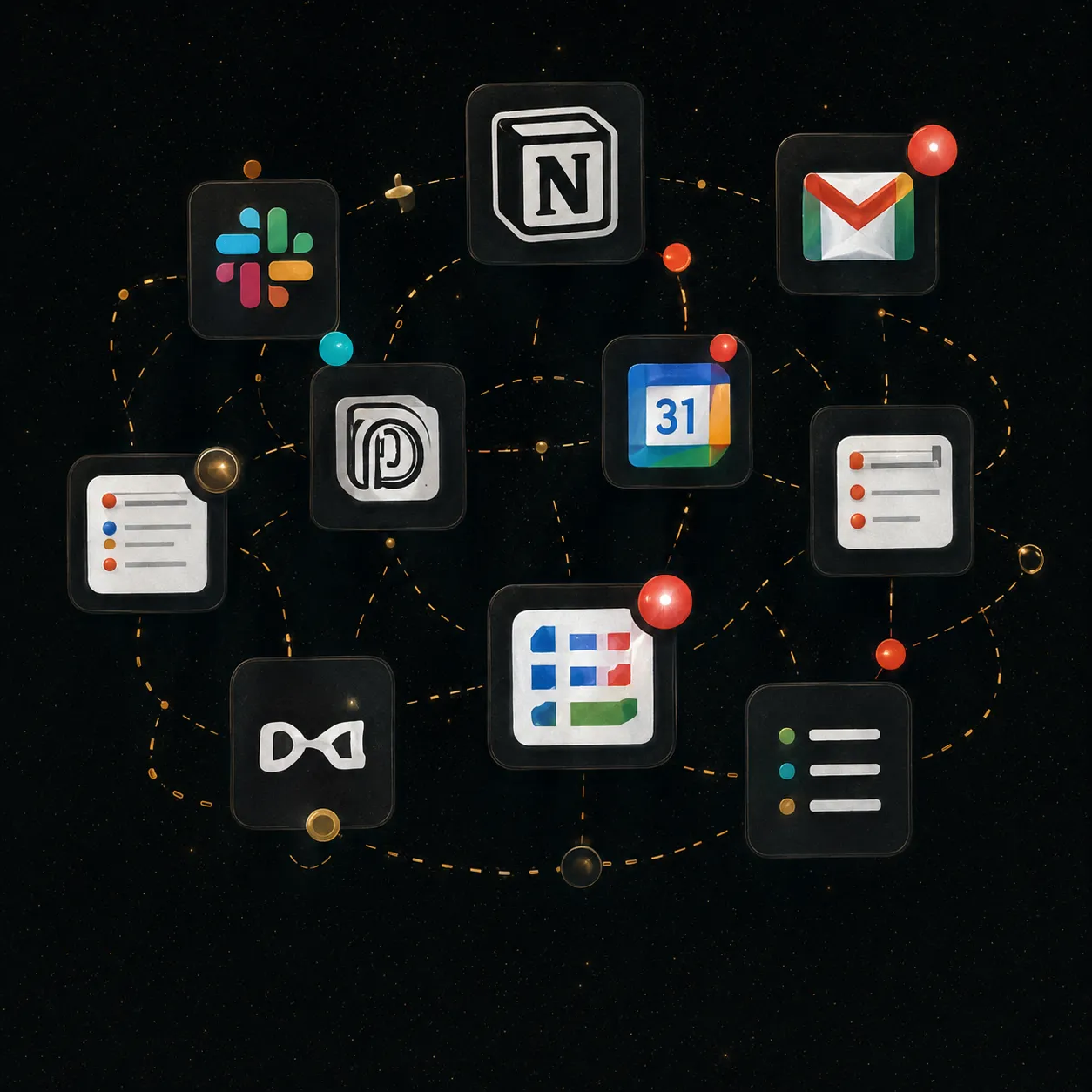
14 open apps, three task systems, no idea which goal matters.
The productivity system that fixes itself when life knocks you off course.
For people scattered across a dozen tools who want one system that holds under pressure.
Get the Orbit Starter GuideFree with the newsletter. Arrives in your first issue.
The attention economy is a machine. The best minds, paid the best salaries, aimed at capturing every free minute you have. It runs on dopamine. You're designed to fall for it, and everyone is hooked. A simple habit tracker won't beat that.
These platforms make your life revolve around THEM. You need a system that makes it revolve around YOU, as sophisticated as the forces working against you. Architecture, not tips.
The other half of the problem: fragmentation. You're scattered across a dozen tools that don't talk to each other.
You don't need another app. You need architecture. Orbit is the architecture.
14 open apps, three task systems, no idea which goal matters.
one system that contracts under pressure and expands when capacity returns.
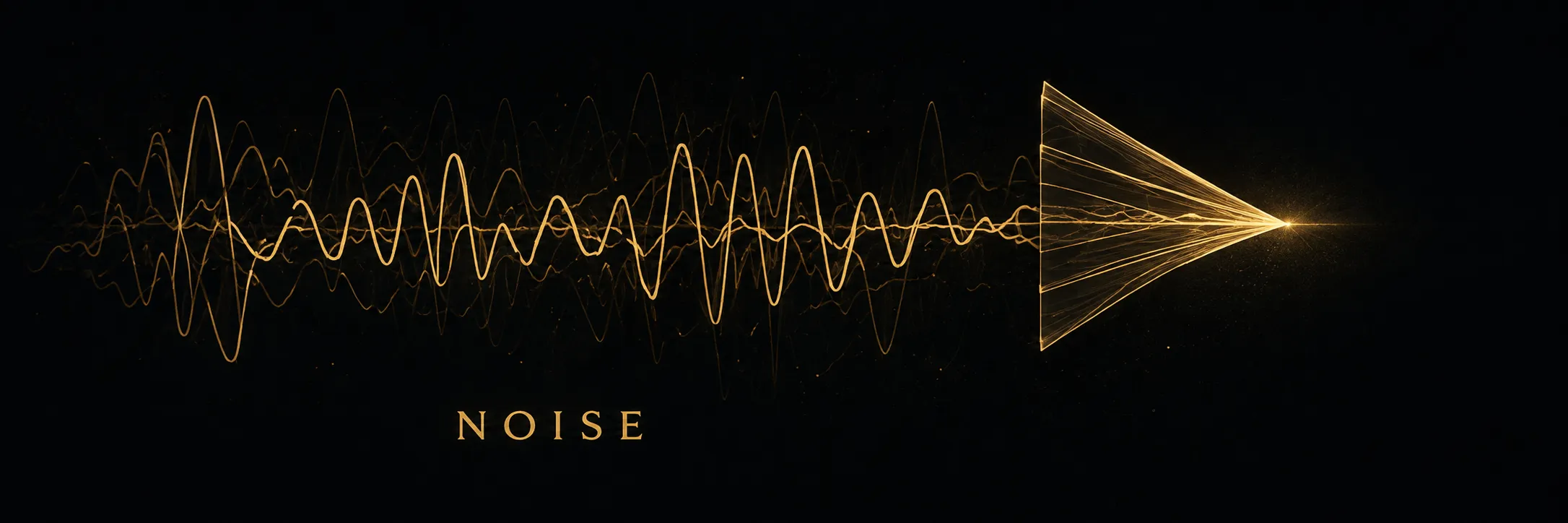
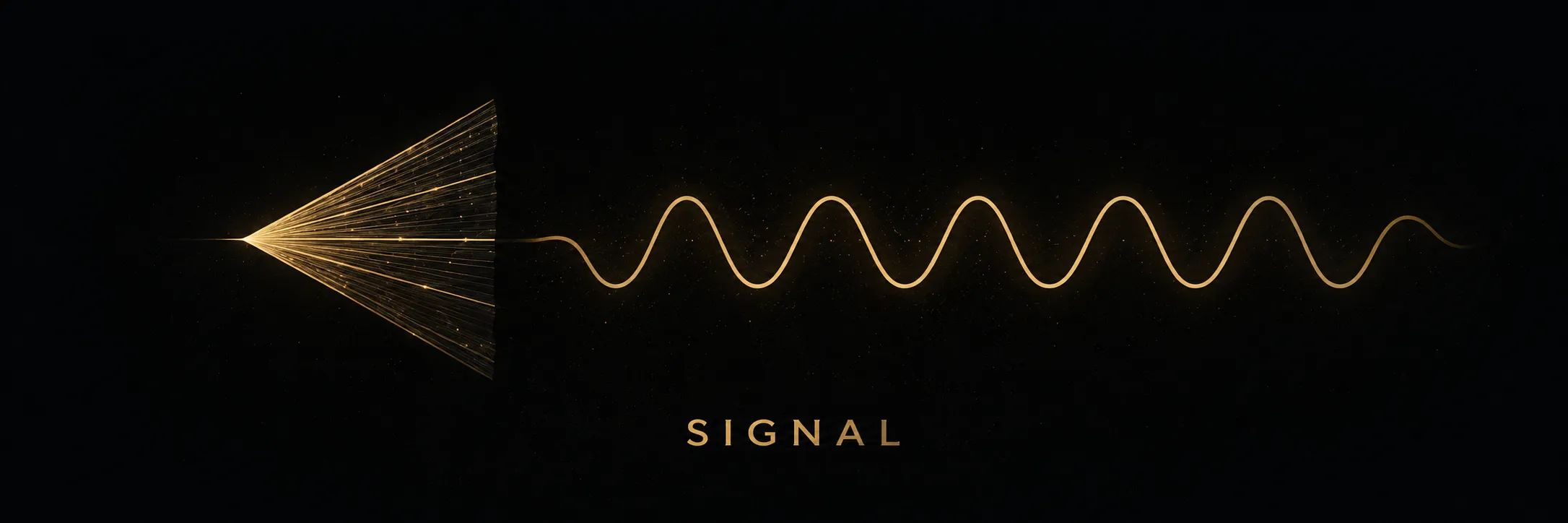
The attention economy floods you with noise. Orbit is a signal amplifier. Purpose filters what matters, Reflection drops what isn't working. Focus isn't a gift; it's a system.
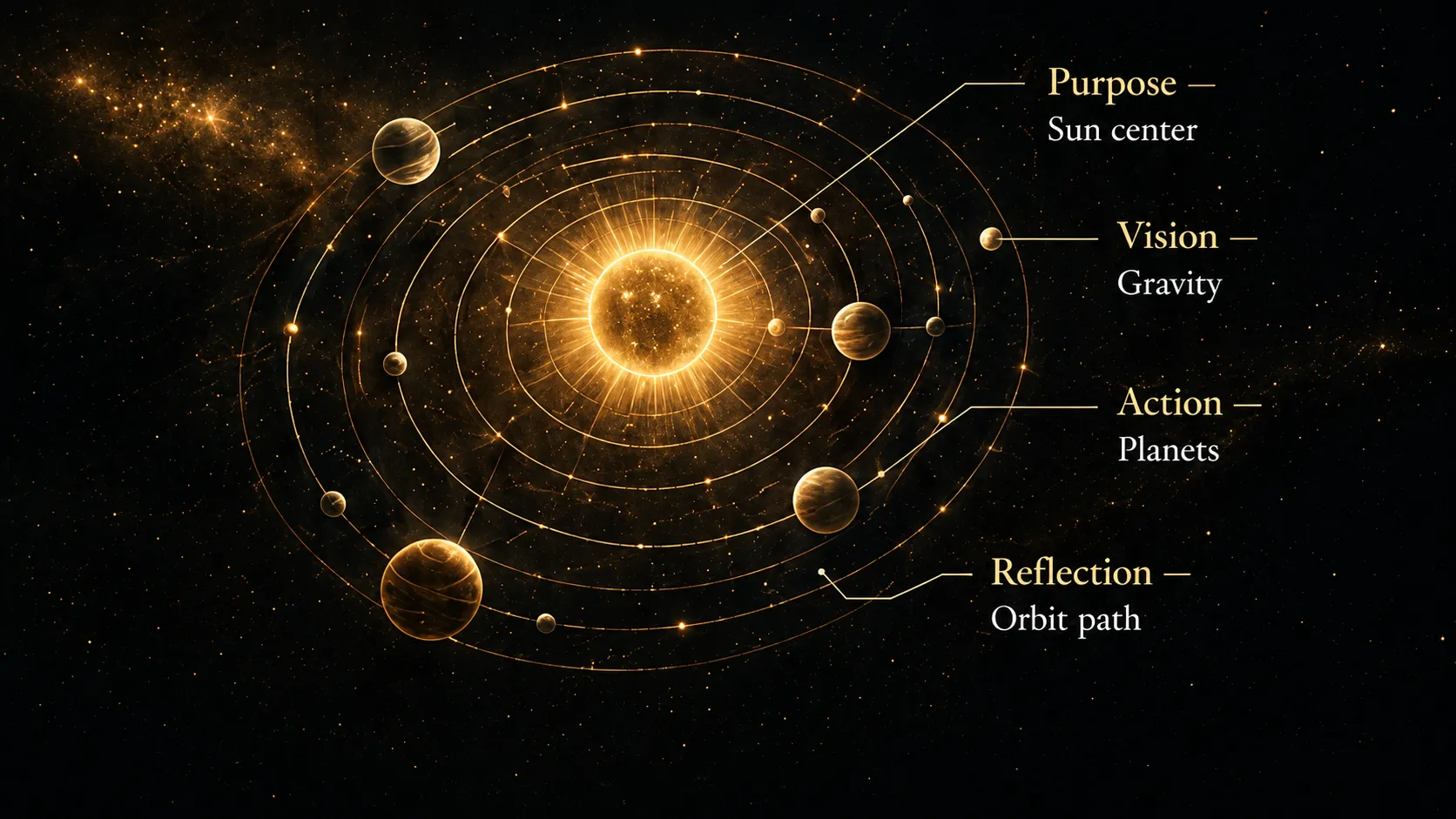
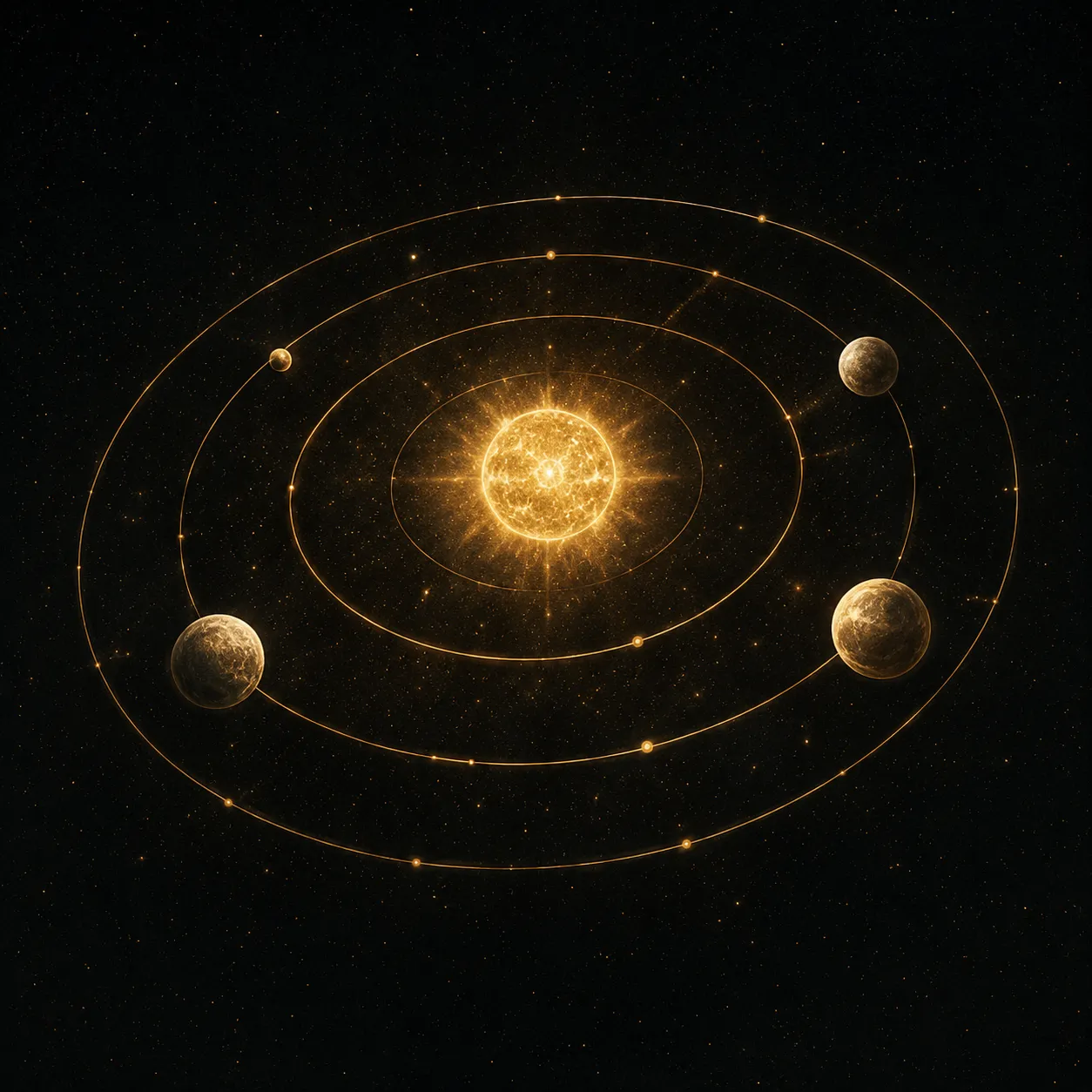
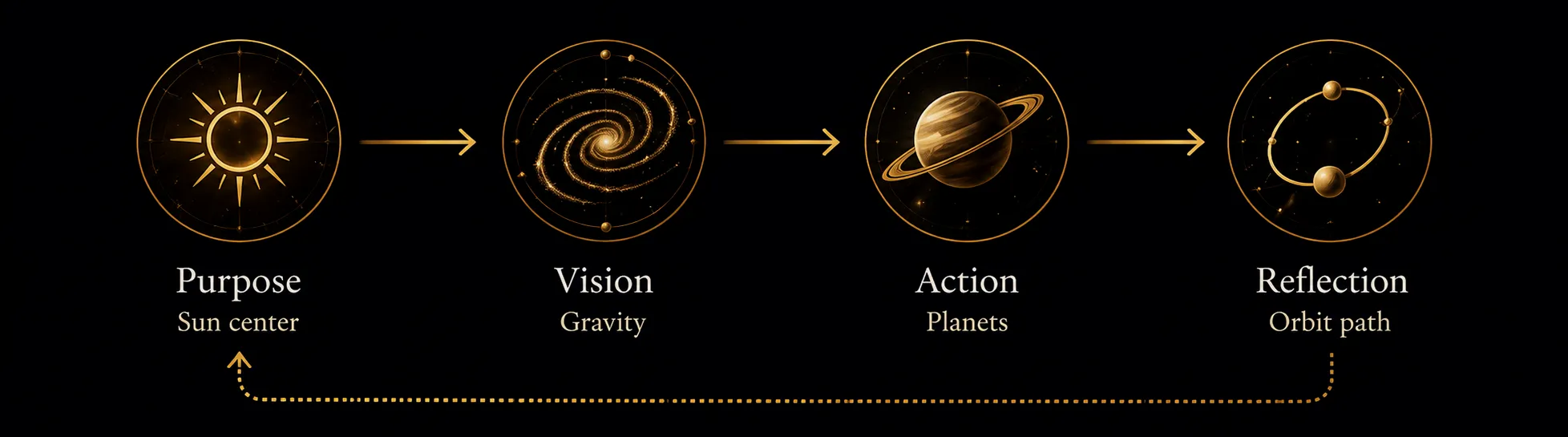
Four layers, one continuous loop: Purpose → Vision → Action → Reflection → back to Purpose with new clarity. Purpose directs everything below; Reflection feeds insight back up.
Can you trace this task back to your purpose? If the chain breaks, the system has drifted.

I kept watching capable people drift, not from a lack of effort, but a lack of architecture. Goals without a centre. Habits without a direction. These aren't problems tips and apps solve. They require architecture. So I built the system I run my life on, and now share it.

Most people chase goals without asking if they're theirs.
Identity, values, meaning. Present tense, who you ARE. The Sun.
Why does this matter?

Goals without direction are just motion.
The gravitational pull that keeps Action moving toward Purpose.
Where are you going?

Systems get you there; goals just tell you where to aim.
Goals are planets, tasks are moons, habits are rings (OKRs / GTD / Atomic Habits plug in).
What is the next right step?
Every system drifts.
The orbital path that brings everything back around; makes it self-correcting.
What needs to change?
AI provides velocity. Orbit provides vector.
Without Orbit, AI just helps you go wrong faster.
Most systems give you a list of habits. Orbit gives you an architecture, the only one built for the day you fall off.

When life gets heavy, Degraded Mode lets you run one goal, two habits, 25 minutes a day, and still stay on course.
Closed-loop, not open-loop. It compares results to intention.
A philosophy-level shift, not a 2016 framework bolted on.
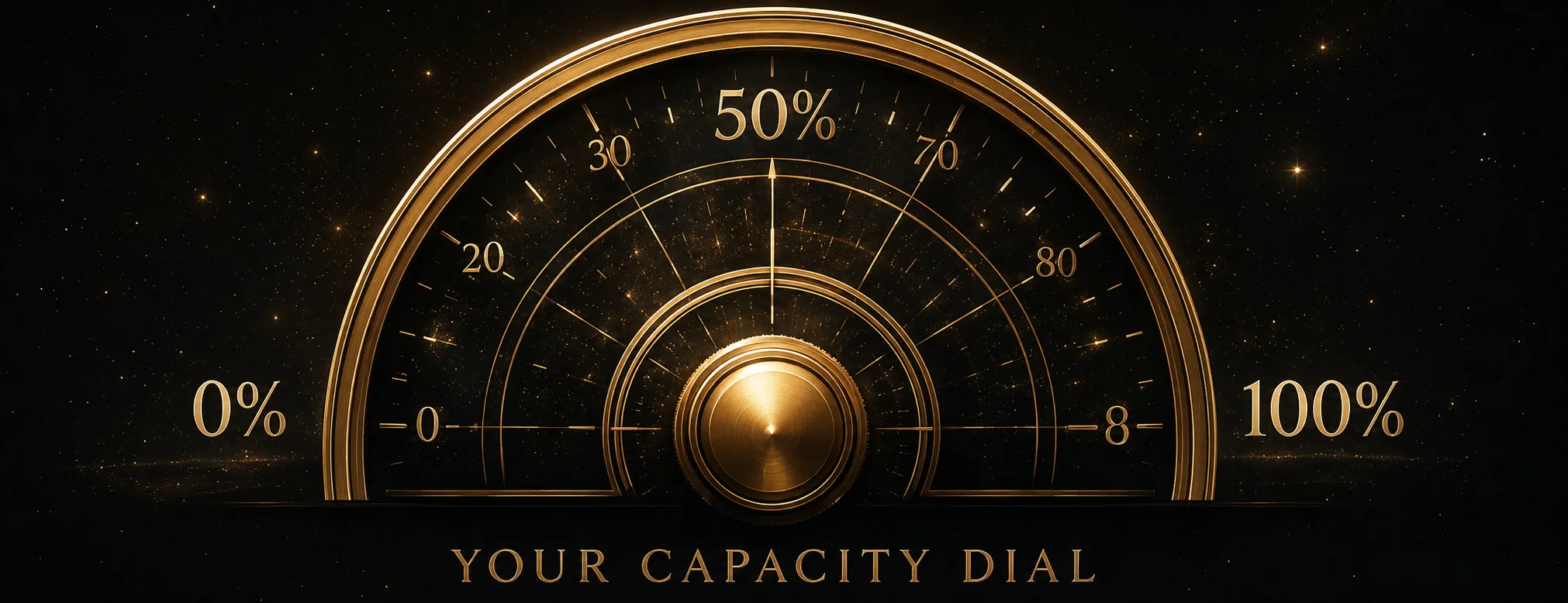
A dial, not a ladder, from Minimum Viable Orbit to full.

The layer above your task manager. It directs your tools.

OKRs, Agile, GTD, Atomic Habits all plug in.
Habits are one atom; Orbit is the architecture that holds them together.
Great for tasks, silent on why.
Powerful tools, no methodology.
Explains why depth matters; Orbit protects it.
You quietly stop doing what you meant to. Not failure, just physics, and Orbit catches it early.
Skip your reviews for a few weeks and the mess compounds. Orbit is the counter-force.
You will miss days. What counts is how fast you bounce back, not that you never fell.
Attention split across ten places? This puts a number on how scattered you are.
You've tried the books and apps; they worked for a while, then life happened.
You want a magic hack or a system that only works when you're perfectly motivated.
Start small: one goal, a couple of keystone habits, and one weekly review, about an hour a week. That's a complete, working Orbit. You don't need the whole system on day one; you need a center you can actually hold onto when everything else is moving.
Grow when you're ready. The four levels (Minimum Viable Orbit, Foundation, Operating, and Full System) aren't a ladder you climb; they're a dial you adjust to your capacity. Turn it up when life has room, turn it down when it doesn't. (Degraded Mode is the emergency brake, not a beginner tier.)
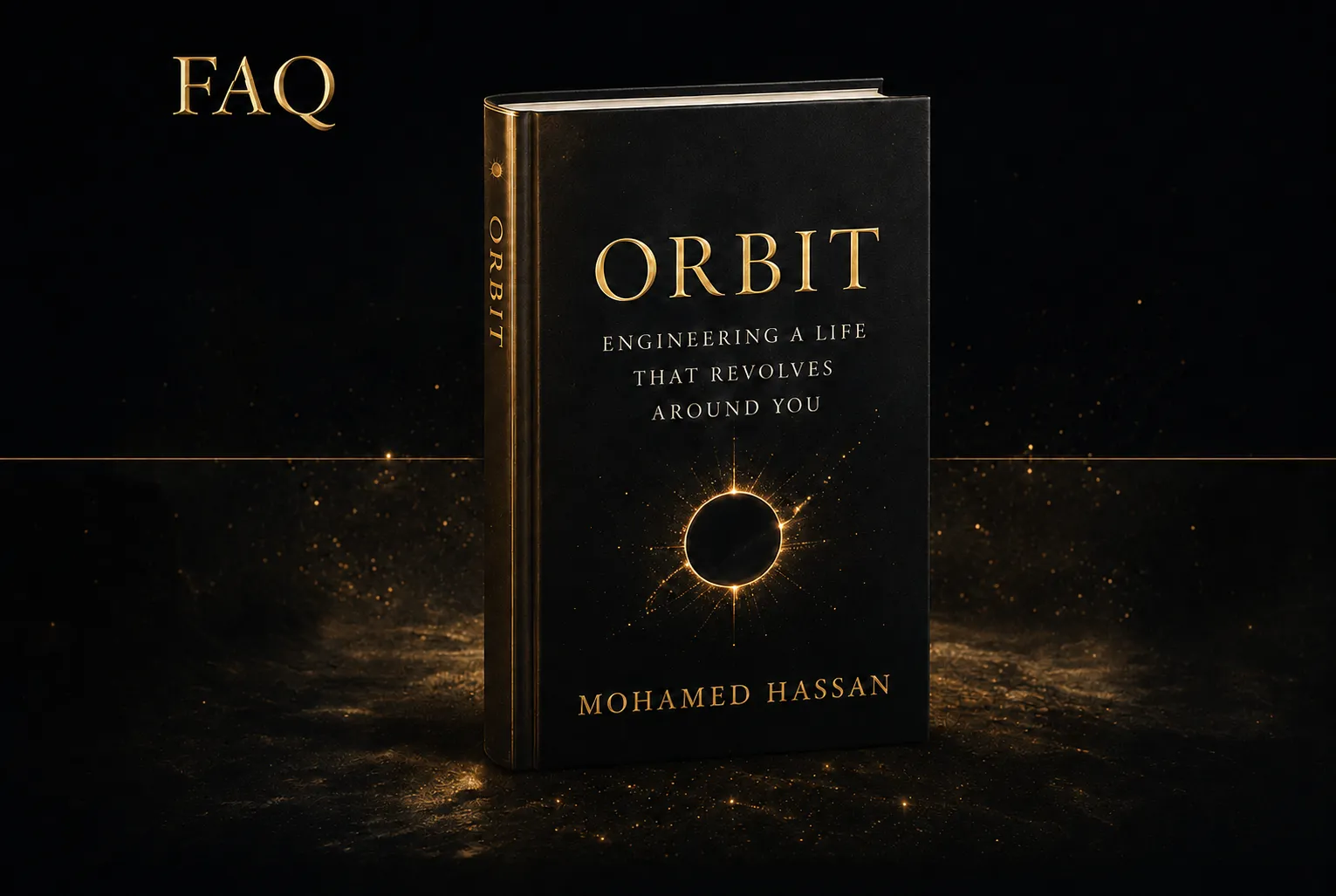
A productivity architecture, four layers (Purpose, Vision, Action, Reflection) in one self-correcting loop. It's the layer above your task manager, not another app.
Those track tasks and habits. Orbit gives them a purpose and a direction, and corrects course when you drift.
About an hour. Start with Minimum Viable Orbit: one goal, a couple of habits, one weekly review.
Degraded Mode: one goal, two habits, 25 minutes a day, and you're still on course.
No. A notebook, a notes app, or a Doc works. Orbit directs your tools; it doesn't replace them.
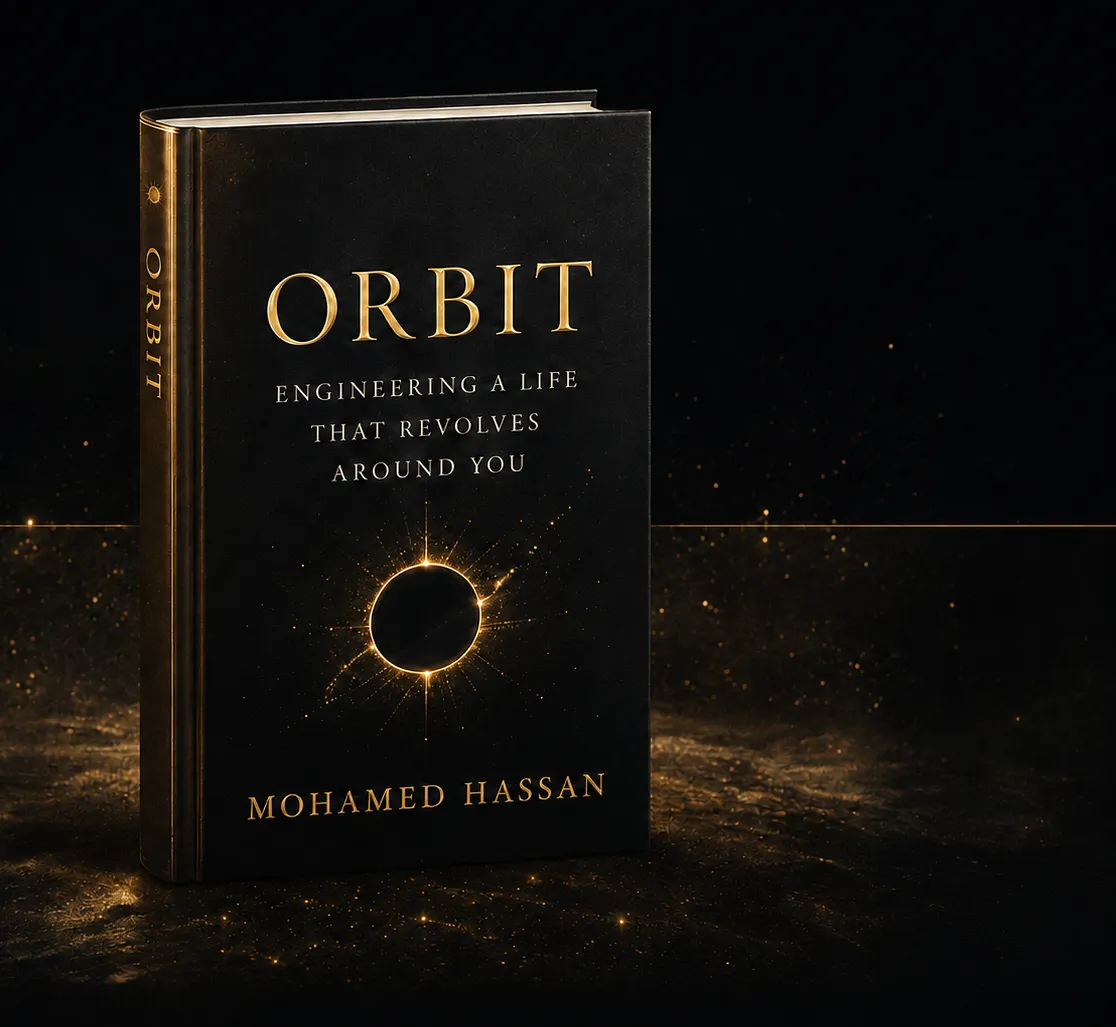
The Orbit Starter Guide walks you through your first week inside the system: a purpose audit, a minimum setup, and your first weekly review. The welcome gift when you join Systems for Life.
Free. One practical issue every week. Unsubscribe anytime.